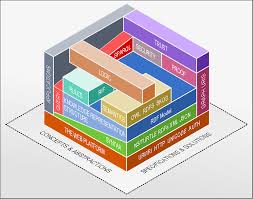
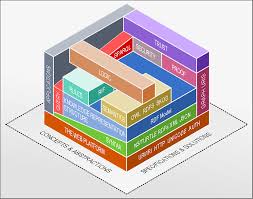
This is the first post of a project that I spent a good amount of time defining in my mind. In it, we will discuss the relationship between Structured data and SEO, and how to make your site more semantic.
In this blog I will write about a subject I am passionate about: SEMANTIC SEO.
Here I will write articles and posts about my research, opinions, and findings on advanced website optimization, the kind that utilizes studies in semantics, Artificial Intelligence, Ontologies, Connected Data, and data-driven Analysis of Results.
And in this first post I will cover:
Here I will write articles and posts about my research, opinions, and findings on advanced website optimization, the kind that utilizes studies in semantics, Artificial Intelligence, Ontologies, Connected Data, and data-driven Analysis of Results.
And in this first post I will cover:
The role of structured data in SEO
Before we start talking about a shift that changed how we search for information on the web and had a profound impact on the work of SEO: Google’s transition from a search tool to an answer engine.
From search terms to entities
I don’t want to talk again about the history of Google, of how it transitioned from a mechanism that gathered thousands of blue links on a page to a platform using deep learning artificial intelligence, combining open machine learning research with systems engineering and high-scale Structured data and SEO
What is semantics?
Origin: FR. sémantique etymology, from gr. * sēmantikḗ fem. subst. of sēmantikós,ḗ,ón ‘indicating, signifying’
feminine noun
- LINGUISTICS: synchronic or diachronic study of meaning as part of natural language systems.
- LINGUISTICS: in a linguistic system, the component of word meaning and the interpretation of sentences and utterances.
- PHILOSOPHY – LOGIC: abstract theory of meaning or of the relation between signs and their referents (as opposed to syntax and pragmatics), constituting a semiotic together with them.
- PHILOLOGY: science that studies the evolution of the meaning of words and other symbols used in human communication.
This is where data structuring comes in.
On the web, data can be viewed as any piece of content that you put online, whether on your site, application, or platform.
Data can be the names of your products or services, your headquarters, your managers, and your departments—in short, everything related to your business.
And the key concept is this: relationship.
Structured and related data
The relationship between the data you put online is just as important as the data itself. Without describing the relationship between your headquarters and the managers of each, what would be the utility of this information?
Google does not only examine searches related to your pages looking for information about a specific person, place, or thing, but also queries already registered information and analyzes structured data associated with the page, executing queries based on that data.
How can you use structured data in your digital projects?
This means that by using semantic structured data markup in your online projects, you help search engines understand what you are saying and how it relates to the questions people ask, greatly increasing the chance of being the source for the results.
As soon as you start structuring your data through the use of Schema (schema.org), you begin to add relational layers of meaning to this content.
Studies conducted by the SEO community related to semantic studies have found that Google brings much more traffic on long-tail terms to sites across many different pages that were not previously visible on Google.
This could indicate that something had changed, and that Google was crawling more than just the written texts on your site’s pages.
Add structured data to your projects
Adding structured data to your pages to identify them is something anyone can do. The ease of this process will depend on the content management system you use in your projects.
If you do not use any, you will need to rely on a professional specialized in data markup (an SEO with this knowledge is the best choice).
It is necessary to seek balance when using structured data in your projects. But we will discuss the relationship between structured data and semantic fields in another post.
It is genuinely tempting to put more and more information onto a page, turning it into a sort of repository for everything related to a certain topic.
But this adds unnecessary complexity, both for the people reading what you are writing and for the algorithms trying to understand your content.
Perhaps you want to include information, more information on your pages about entities related to your business, but remember that you need to manage your structured data in a truly precise way, without straying from the main subject you are discussing.
What I am saying is that you need to plan the use of structured data just as you plan your content.
If you place emphasis on a content aspect, then you must also apply the proper markup for it.
Something relevant to the business must be taken into account as well when structuring the page. The semantic value of your content is related to the semantic field in which your business operates.
SEO is a strategic mindset that must align with your business objectives.
Structured data is the backbone of modern Information Science applied to web environments. Far from being a mere technical formality, it constitutes the primary mechanism through which machines parse semantic intent, construct knowledge graphs, and interpret entities without relying solely on heuristic pattern matching.
Within the Semântico SEO framework, structured data acts as a formal bridge between unstructured human thought and the deterministic logic of search engines and information generation systems. By explicitly declaring the nature of concepts, relationships, and attributes, publishers eliminate ambiguity and feed machine-readable signals directly into algorithms.
The epistemic role of structured data
When we examine how search engines ingest information, we realize that HTML tags alone convey presentation, not meaning. A heading tag indicates hierarchy, and a paragraph tag denotes a block of text, but neither explains whether a specific string refers to a living person, a chemical compound, or an organizational entity. Structured data fills this epistemological gap.
Using formats such as JSON-LD (JavaScript Object Notation for Linked Data), webmasters provide explicit statements conforming to the Schema.org vocabulary. This approach transforms a standard web page into an interconnected node within a global knowledge graph. Instead of guessing relationships through probabilistic inference, parsers traverse unambiguous triples subject-predicate-object.
Core benefits in the semantic workflow
- Information gain:Rich snippets and knowledge panels increase visibility, driving higher click-through rates by answering user intent directly on the results page.
- Entity disambiguation:Connecting internal concepts to external knowledge bases like Wikidata prevents semantic drift and authorial confusion.
- Machine readability:Facilitates large-scale data extraction by retrieval-augmented generation systems and AI agents.
Implementing structured data requires strict adherence to syntax rules and regular validation using tools such as the Schema Markup Validator. Any syntax error breaks the entire JSON-LD block, blinding automated crawlers to the relational context you intended to communicate.
Best practices for implementation
To maximize the efficacy of your markup, follow these core principles:
- Match schema types precisely to the visible content on the page; never mark up hidden or deceptive data.
- Prioritize essential entities such as Organization, Article, Author, and Product based on your site’s vertical.
- Establish owl:sameAs references to anchor your local entities to authoritative global identifiers.
By mastering structured data within the Semantic Workflow (FTS), you move beyond basic optimization tactics and build a robust informational architecture designed for the future of search.
In the context of the internet, a search engine allows searching for search terms in documents hosted on the World Wide Web, such as those stored on websites. Search engines emerged right after the advent of the internet with the intention of providing an extremely important service: searching for any information on the network, presenting the results in an organized way, and also with the proposal to do this quickly and efficiently. From this basic premise, several companies developed, some even reaching a valuation of millions of dollars. Among the largest companies are Google, Yahoo, Bing, Lycos, Cadê, and more recently Amazon.com with its A9 search engine, although now inactive. Search engines proved to be essential for the access flow and the acquisition of new visitors.
Before the advent of the Web, there were systems for other protocols or uses, such as Archie for anonymous FTP sites and Veronica for Gopher (a computer network protocol designed to index document repositories on the Internet, based on menus).”,”id”:”http://data.wordlift.io/wl01797/entity/motor_de_busca”,”label”:”search engines”,”mainType”:”thing”,”occurrences”:[“urn:enhancement-641e6f54″,”urn:enhancement-88183cef”],”sameAs”:[“http://de.dbpedia.org/resource/Suchmaschine”,”http://pt.dbpedia.org/resource/Motor_de_busca”,”http://hr.dbpedia.org/resource/Tražilica”,”http://lv.dbpedia.org/resource/Meklētājprogramma”,”http://hu.dbpedia.org/resource/Keresőmotor”,”http://uk.dbpedia.org/resource/Пошукова_система”,”http://en.dbpedia.org/resource/Search_engine_(computing)”,”http://it.dbpedia.org/resource/Motore_di_ricerca”,”http://es.dbpedia.org/resource/Motor_de_búsqueda”,”http://et.dbpedia.org/resource/Otsingumootor”,”http://ro.dbpedia.org/resource/Motor_de_căutare”,”http://nl.dbpedia.org/resource/Zoekmachine”,”http://no.dbpedia.org/resource/Søkemotor”,”http://fi.dbpedia.org/resource/Hakukone”,”http://be.dbpedia.org/resource/Пошукавая_сістэма”,”http://ru.dbpedia.org/resource/Поисковая_машина”,”http://bg.dbpedia.org/resource/Търсачка”,”http://sk.dbpedia.org/resource/Search_engine”,”http://sl.dbpedia.org/resource/Spletni_iskalnik”,”http://ca.dbpedia.org/resource/Motor_de_cerca”,”http://sv.dbpedia.org/resource/Söktjänst”,”http://cs.dbpedia.org/resource/Vyhledávač”,”http://pl.dbpedia.org/resource/Wyszukiwarka_internetowa”,”http://da.dbpedia.org/resource/Søgemaskine”,”http://tr.dbpedia.org/resource/Arama_motoru”,”http://dbpedia.org/resource/Search_engine_(computing)”],”types”:[“thing”]},{“annotations”:{“urn:enhancement-dce206f9-2929-6cb9-2b6b-72b6db20793d”:{“start”:2384,”end”:2590,”text”:”Ontologies”},”urn:enhancement-a9d9b567-92b4-52dc-3cec-dfabb7f8b14a”:{“start”:3667,”end”:3873,”text”:”Ontologies”},”urn:enhancement-bff79119-0967-654c-40f9-52725024ac77″:{“start”:7565,”end”:7770,”text”:”entities”}},”description”:””,”id”:”http://data.wordlift.io/wl01797/post/o_poder_do_grafo_do_conhecimento”,”label”:”The power of the knowledge graph”,”mainType”:”article”,”occurrences”:[“urn:enhancement-dce206f9-2929-6cb9-2b6b-72b6db20793d”,”urn:enhancement-a9d9b567-92b4-52dc-3cec-dfabb7f8b14a”,”urn:enhancement-bff79119-0967-654c-40f9-52725024ac77″],”sameAs”:[“http://data.wordlift.io/wl0221/entity/dados”,”http://data.wordlift.io/wl0221/entity/conhecimento”,”http://data.wordlift.io/wl0221/entity/ontologia”,”http://data.wordlift.io/wl0221/entity/entidade_informatica”],”types”:[]},{“annotations”:{“urn:enhancement-334936b6”:{“start”:16736,”end”:16898,”text”:”knowledge”}},”description”:””,”id”:”http://data.wordlift.io/wl01797/entity/conhecimento”,”label”:”Knowledge”,”mainType”:”thing”,”occurrences”:[“urn:enhancement-334936b6″],”sameAs”:[“http://rdf.freebase.com/ns/m.01k8wb”,”http://dbpedia.org/resource/Knowledge”,”http://pt.dbpedia.org/resource/Conhecimento”,”http://hr.dbpedia.org/resource/Znanje”,”http://hu.dbpedia.org/resource/Ismeret”,”http://id.dbpedia.org/resource/Pengetahuan”,”http://is.dbpedia.org/resource/Þekking”,”http://it.dbpedia.org/resource/Conoscenza”,”http://ro.dbpedia.org/resource/Cunoaștere”,”http://be.dbpedia.org/resource/Веды”,”http://ru.dbpedia.org/resource/Знание”,”http://bg.dbpedia.org/resource/Знание”,”http://sk.dbpedia.org/resource/Vedenie_(filozofia)”,”http://sl.dbpedia.org/resource/Znanje”,”http://ca.dbpedia.org/resource/Coneixement”,”http://sq.dbpedia.org/resource/Dituria”,”http://sr.dbpedia.org/resource/Знање”,”http://sv.dbpedia.org/resource/Kunskap”,”http://cs.dbpedia.org/resource/Poznatek”,”http://da.dbpedia.org/resource/Viden”,”http://tr.dbpedia.org/resource/Bilgi”,”http://de.dbpedia.org/resource/Wissen”,”http://lt.dbpedia.org/resource/Žinios”,”http://lv.dbpedia.org/resource/Zināšanas”,”http://uk.dbpedia.org/resource/Знання”,”http://en.dbpedia.org/resource/Knowledge”,”http://es.dbpedia.org/resource/Conocimiento”,”http://et.dbpedia.org/resource/Teadmine”,”http://nl.dbpedia.org/resource/Kennis”,”http://no.dbpedia.org/resource/Kunnskap”,”http://fi.dbpedia.org/resource/Tieto”,”http://fr.dbpedia.org/resource/Connaissance”,”http://pl.dbpedia.org/resource/Wiedza”],”types”:[]},{“annotations”:{“urn:enhancement-3f9aa104-e531-43d0-9009-c357755b0d8d”:{“start”:11379,”end”:11570,”text”:”products”}},”description”:””,”id”:”http://data.wordlift.io/wl01797/entity/produto_marketing”,”label”:”Product (marketing)”,”mainType”:”thing”,”occurrences”:[“urn:enhancement-3f9aa104-e531-43d0-9009-c357755b0d8d”],”sameAs”:[“http://rdf.freebase.com/ns/m.01jwgf”,”http://dbpedia.org/resource/Product_(business)”,”http://de.dbpedia.org/resource/Produkt_(Wirtschaft)”,”http://no.dbpedia.org/resource/Produkt_(økonomi)”,”http://ru.dbpedia.org/resource/Продукт_(бизнес)”,”http://fi.dbpedia.org/resource/Tuote”,”http://be.dbpedia.org/resource/Прадукт,_бізнес”,”http://pt.dbpedia.org/resource/Produto_(marketing)”,”http://bg.dbpedia.org/resource/Продукт”,”http://lt.dbpedia.org/resource/Gaminys”,”http://hr.dbpedia.org/resource/Proizvod”,”http://fr.dbpedia.org/resource/Politique_de_produit”,”http://uk.dbpedia.org/resource/Продукт_(економіка)”,”http://sk.dbpedia.org/resource/Výrobok”,”http://ca.dbpedia.org/resource/Producte_(màrqueting)”,”http://sr.dbpedia.org/resource/Производ”,”http://sv.dbpedia.org/resource/Produkt_(ekonomi)”,”http://en.dbpedia.org/resource/Product_(business)”,”http://it.dbpedia.org/resource/Prodotto_(economia)”,”http://es.dbpedia.org/resource/Producto_(marketing)”,”http://et.dbpedia.org/resource/Toode”,”http://cs.dbpedia.org/resource/Produkt_(obchod)”,”http://pl.dbpedia.org/resource/Produkt_(marketing)”,”http://da.dbpedia.org/resource/Produkt_(erhverv)”,”http://nl.dbpedia.org/resource/Product_(economie)”],”types”:[]},{“annotations”:{“urn:enhancement-90”:{“start”:6596,”end”:6745,”text”:”content”},”urn:enhancement-91″:{“start”:6801,”end”:6950,”text”:”content”},”urn:enhancement-92″:{“start”:8074,”end”:8223,”text”:”content”},”urn:enhancement-93″:{“start”:10839,”end”:10988,”text”:”content”},”urn:enhancement-94″:{“start”:14151,”end”:14300,”text”:”content”},”urn:enhancement-95″:{“start”:17565,”end”:17714,”text”:”content”},”urn:enhancement-96″:{“start”:18390,”end”:18539,”text”:”content”},”urn:enhancement-97″:{“start”:18968,”end”:19117,”text”:”content”}},”description”:””,”id”:”http://data.wordlift.io/wl01797/entity/conteudo”,”label”:”Content”,”mainType”:”thing”,”occurrences”:[“urn:enhancement-90″,”urn:enhancement-91″,”urn:enhancement-92″,”urn:enhancement-93″,”urn:enhancement-94″,”urn:enhancement-95″,”urn:enhancement-96″,”urn:enhancement-97″],”sameAs”:[],”types”:[]},{“annotations”:{“urn:enhancement-882af17a-373a-42fc-b621-cf1fec34339a”:{“start”:8449,”end”:8458,”text”:”document”},”urn:enhancement-e138c8ed-8679-4ed3-950a-e8f3f48f0b3e”:{“start”:8600,”end”:8609,”text”:”document”}},”id”:”http://data.wordlift.io/wl01797/entity/documentos_2″,”label”:”Documents”,”mainType”:”thing”,”occurrences”:[“urn:enhancement-882af17a-373a-42fc-b621-cf1fec34339a”,”urn:enhancement-e138c8ed-8679-4ed3-950a-e8f3f48f0b3e”],”sameAs”:[“http://ca.dbpedia.org/resource/Document”,”http://da.dbpedia.org/resource/Dokument”,”http://dbpedia.org/resource/Document”,”http://en.dbpedia.org/resource/Document”,”http://es.dbpedia.org/resource/Documento”,”http://et.dbpedia.org/resource/Dokument”,”http://fi.dbpedia.org/resource/Dokumentti”,”http://fr.dbpedia.org/resource/Document”,”http://hr.dbpedia.org/resource/Dokument”,”http://id.dbpedia.org/resource/Dokumen”,”http://is.dbpedia.org/resource/Skjal”,”http://it.dbpedia.org/resource/Documento”,”http://lt.dbpedia.org/resource/Dokumentas”,”http://nl.dbpedia.org/resource/Document”,”http://no.dbpedia.org/resource/Dokument”,”http://pl.dbpedia.org/resource/Dokument”,”http://pt.dbpedia.org/resource/Documento”,”http://sv.dbpedia.org/resource/Dokument”,”http://tr.dbpedia.org/resource/Belge”],”types”:[“thing”]},{“annotations”:{“urn:enhancement-28”:{“start”:2611,”end”:2760,”text”:”Analytics”},”urn:enhancement-29″:{“start”:3894,”end”:4043,”text”:”Analytics”}},”description”:””,”id”:”http://data.wordlift.io/wl01797/entity/analytics”,”label”:”Analytics”,”mainType”:”thing”,”occurrences”:[“urn:enhancement-28″,”urn:enhancement-29″],”sameAs”:[],”types”:[]},{“annotations”:{“urn:enhancement-47”:{“start”:8675,”end”:8819,”text”:”online”},”urn:enhancement-48″:{“start”:11007,”end”:11151,”text”:”online”},”urn:enhancement-49″:{“start”:11901,”end”:12045,”text”:”online”},”urn:enhancement-50″:{“start”:13619,”end”:13763,”text”:”online”}},”description”:””,”id”:”http://data.wordlift.io/wl01797/entity/online”,”label”:”Online”,”mainType”:”thing”,”occurrences”:[“urn:enhancement-47″,”urn:enhancement-48″,”urn:enhancement-49″,”urn:enhancement-50″],”sameAs”:[“http://dbpedia.org/resource/Online_and_offline”,”http://pt.dbpedia.org/resource/Online_e_offline”,”http://en.dbpedia.org/resource/Online_and_offline”,”http://it.dbpedia.org/resource/Online_e_offline”,”http://fr.dbpedia.org/resource/En_ligne_et_hors-ligne”,”http://es.dbpedia.org/resource/Online_y_offline”,”http://cs.dbpedia.org/resource/On-line_a_off-line”,”http://uk.dbpedia.org/resource/Онлайн”,”http://id.dbpedia.org/resource/Dalam_jaringan_dan_luar_jaringan”,”http://ro.dbpedia.org/resource/Online_și_offline”],”types”:[]},{“annotations”:{“urn:enhancement-34”:{“start”:7013,”end”:7169,”text”:”searches”}},”description”:””,”id”:”http://data.wordlift.io/wl01797/entity/algoritmo_de_busca”,”label”:”Search algorithm”,”mainType”:”creative-work”,”occurrences”:[“urn:enhancement-34″],”sameAs”:[“http://rdf.freebase.com/ns/m.06_xd”,”http://yago-knowledge.org/resource/Search_algorithm”,”http://dbpedia.org/resource/Search_algorithm”,”http://de.dbpedia.org/resource/Suchverfahren”,”http://fi.dbpedia.org/resource/Hakualgoritmi”,”http://pt.dbpedia.org/resource/Algoritmo_de_busca”,”http://en.dbpedia.org/resource/Search_algorithm”,”http://it.dbpedia.org/resource/Algoritmo_di_ricerca”,”http://fr.dbpedia.org/resource/Algorithme_de_recherche”,”http://id.dbpedia.org/resource/Algoritma_pencarian”,”http://nl.dbpedia.org/resource/Zoekalgoritme”,”http://bg.dbpedia.org/resource/Алгоритъм_за_търсене”,”http://hu.dbpedia.org/resource/Keresőalgoritmus”,”http://es.dbpedia.org/resource/Algoritmo_de_búsqueda”,”http://tr.dbpedia.org/resource/Arama_algoritmaları”,”http://sr.dbpedia.org/resource/Алгоритми_претраживања”],”types”:[“http://dbpedia.org/class/yago/Abstraction100002137″,”http://dbpedia.org/class/yago/Act100030358″,”http://dbpedia.org/class/yago/Activity100407535″,”http://dbpedia.org/class/yago/Algorithm105847438″,”http://dbpedia.org/class/yago/Event100029378″,”http://dbpedia.org/class/yago/Procedure101023820″,”http://dbpedia.org/class/yago/PsychologicalFeature100023100″,”http://dbpedia.org/class/yago/Rule105846932″,”http://dbpedia.org/class/yago/SearchAlgorithms”,”http://dbpedia.org/class/yago/YagoPermanentlyLocatedEntity”]},{“annotations”:{“urn:local-text-annotation-ztevxws8nfce6ywjz9pdcr15ks63qjkg”:{“start”:1157,”end”:1540,”text”:”\u003cspan id=\u0022urn:enhancement-b89860a8-4840-19d7-71fd-a24f33424f99\u0022 class=\u0022textannotation disambiguated wl-thing\u0022 itemid=\u0022http://data.wordlift.io/wl01797/post/knowledge_graph_-_um_mundo_de_conexoes\u0022\u003eSEO”}},”description”:””,”id”:”http://data.wordlift.io/wl01797/entity/seo_semantico”,”label”:”Semantic SEO”,”mainType”:”thing”,”occurrences”:[“urn:local-text-annotation-ztevxws8nfce6ywjz9pdcr15ks63qjkg”],”sameAs”:[“http://data.wordlift.io/wl0221/entity/seo__semantico”],”types”:[]},{“annotations”:{“urn:enhancement-6b0727ad”:{“start”:1619,”end”:1774,”text”:”research”},”urn:enhancement-c18672af”:{“start”:2902,”end”:3057,”text”:”research”},”urn:enhancement-f01ca851″:{“start”:5737,”end”:5891,”text”:”research”},”urn:enhancement-d959ef69″:{“start”:12938,”end”:13092,”text”:”query”},”urn:enhancement-f4011c5f-fd20-4867-b5e4-66d894180030″:{“start”:7901,”end”:7909,”text”:”research”}},”id”:”http://data.wordlift.io/wl01797/entity/pesquisa”,”label”:”Research”,”mainType”:”thing”,”occurrences”:[“urn:enhancement-6b0727ad”,”urn:enhancement-c18672af”,”urn:enhancement-f01ca851″,”urn:enhancement-d959ef69″],”sameAs”:[“http://be.dbpedia.org/resource/Даследаванне”,”http://bg.dbpedia.org/resource/Изследване”,”http://ca.dbpedia.org/resource/Investigació”,”http://cs.dbpedia.org/resource/Výzkum”,”http://da.dbpedia.org/resource/Forskning”,”http://dbpedia.org/resource/Research”,”http://de.dbpedia.org/resource/Forschung”,”http://en.dbpedia.org/resource/Research”,”http://es.dbpedia.org/resource/Investigación”,”http://et.dbpedia.org/resource/Uurimus”,”http://fi.dbpedia.org/resource/Tutkimus”,”http://fr.dbpedia.org/resource/Recherche_scientifique”,”http://hr.dbpedia.org/resource/Istraživanje”,”http://id.dbpedia.org/resource/Riset”,”http://is.dbpedia.org/resource/Rannsókn”,”http://it.dbpedia.org/resource/Ricerca_scientifica”,”http://lt.dbpedia.org/resource/Mokslinis_tyrimas”,”http://lv.dbpedia.org/resource/Pētniecība”,”http://nl.dbpedia.org/resource/Wetenschappelijk_onderzoek”,”http://no.dbpedia.org/resource/Forskning”,”http://pl.dbpedia.org/resource/Badania_naukowe”,”http://pt.dbpedia.org/resource/Pesquisa”,”http://rdf.freebase.com/ns/m.06cs1″,”http://ro.dbpedia.org/resource/Cercetare”,”http://ru.dbpedia.org/resource/Исследование”,”http://sl.dbpedia.org/resource/Raziskovalna_dejavnost”,”http://sr.dbpedia.org/resource/Истраживање”,”http://sv.dbpedia.org/resource/Forskning”,”http://tr.dbpedia.org/resource/Araştırma”,”http://uk.dbpedia.org/resource/Дослідження”],”types”:[“thing”]},{“annotations”:{“urn:enhancement-55b7ef24”:{“start”:4241,”end”:4396,”text”:”web”},”urn:enhancement-fe789e86″:{“start”:10630,”end”:10785,”text”:”web”}},”description”:””,”id”:”http://data.wordlift.io/wl01797/entity/world_wide_web”,”label”:”World Wide Web”,”mainType”:”place”,”occurrences”:[“urn:enhancement-55b7ef24″,”urn:enhancement-fe789e86″],”sameAs”:[“http://rdf.freebase.com/ns/m.0828v”,”http://yago-knowledge.org/resource/World_Wide_Web”,”http://dbpedia.org/resource/World_Wide_Web”],”types”:[“http://dbpedia.org/class/yago/Artifact100021939″,”http://dbpedia.org/class/yago/Commodity103076708″,”http://dbpedia.org/class/yago/Merchandise103748886″,”http://dbpedia.org/class/yago/Object100002684″,”http://dbpedia.org/class/yago/PhysicalEntity100001930″,”http://dbpedia.org/class/yago/Whole100003553″,”http://www.opengis.net/gml/_Feature”]},{“annotations”:{“urn:enhancement-20”:{“start”:724,”end”:882,”text”:”semantic”},”urn:enhancement-21″:{“start”:18802,”end”:18960,”text”:”semantic”}},”description”:””,”id”:”http://data.wordlift.io/wl01797/entity/semantico”,”label”:”Semantic”,”mainType”:”organization”,”occurrences”:[“urn:enhancement-20″,”urn:enhancement-21″],”sameAs”:[],”types”:[]},{“annotations”:{“urn:enhancement-dcea37b4-d5a6-9160-628f-721cdbc786b5”:{“start”:347,”end”:552,”text”:”SEO”},”urn:enhancement-b89860a8-4840-19d7-71fd-a24f33424f99″:{“start”:955,”end”:1157,”text”:””},”urn:enhancement-4e2fc669-0a9a-67ba-0cc4-41839fbd6318″:{“start”:4439,”end”:4644,”text”:”SEO”},”urn:enhancement-027287e0-f83a-ffdb-a674-387ce34ccbce”:{“start”:14340,”end”:14545,”text”:”SEO”},”urn:enhancement-adcd068c-167a-6be3-ac6f-b7a02e6fedce”:{“start”:16521,”end”:16726,”text”:”SEO”}},”description”:””,”id”:”http://data.wordlift.io/wl01797/post/knowledge_graph_-_um_mundo_de_conexoes”,”label”:”Knowledge Graph – a world of connections”,”mainType”:”article”,”occurrences”:[“urn:enhancement-dcea37b4-d5a6-9160-628f-721cdbc786b5″,”urn:enhancement-b89860a8-4840-19d7-71fd-a24f33424f99″,”urn:enhancement-4e2fc669-0a9a-67ba-0cc4-41839fbd6318″,”urn:enhancement-027287e0-f83a-ffdb-a674-387ce34ccbce”,”urn:enhancement-adcd068c-167a-6be3-ac6f-b7a02e6fedce”],”sameAs”:[“http://data.wordlift.io/wl0221/entity/otimizacao_para_motores_de_busca”,”http://data.wordlift.io/wl0221/entity/informacao”],”types”:[]},{“annotations”:{“urn:enhancement-e10d1130-7d6a-6fd1-b35d-a12493100564”:{“start”:2178,”end”:2382,”text”:”Artificial Intelligence”},”urn:enhancement-f83f2fcf-301c-c96c-486f-3d4b2fbf95e4″:{“start”:3461,”end”:3665,”text”:”Artificial Intelligence”}},”description”:””,”id”:”http://data.wordlift.io/wl01797/post/aeo_e_o_novo_seo”,”label”:”AEO is the new SEO”,”mainType”:”article”,”occurrences”:[“urn:enhancement-e10d1130-7d6a-6fd1-b35d-a12493100564″,”urn:enhancement-f83f2fcf-301c-c96c-486f-3d4b2fbf95e4″],”sameAs”:[“http://data.wordlift.io/wl0221/entity/tecnologia”,”http://data.wordlift.io/wl0221/entity/motor_de_busca”,”http://data.wordlift.io/wl0221/entity/inteligencia_artificial”],”types”:[]},{“annotations”:{“urn:enhancement-c8563b49”:{“start”:4660,”end”:4817,”text”:”Google”},”urn:enhancement-52b517d1″:{“start”:5082,”end”:5239,”text”:”Google”},”urn:enhancement-7d72f48e”:{“start”:12340,”end”:12497,”text”:”Google”},”urn:enhancement-356ae232″:{“start”:14598,”end”:14755,”text”:”Google”},”urn:enhancement-c38efb6″:{“start”:15185,”end”:15341,”text”:”Google”},”urn:enhancement-80f24b55″:{“start”:15394,”end”:15551,”text”:”Google”}},”description”:””,”id”:”http://data.wordlift.io/wl01797/entity/google”,”label”:”Google”,”mainType”:”organization”,”occurrences”:[“urn:enhancement-c8563b49″,”urn:enhancement-52b517d1″,”urn:enhancement-7d72f48e”,”urn:enhancement-356ae232″,”urn:enhancement-c38efb6″,”urn:enhancement-80f24b55″],”sameAs”:[“http://yago-knowledge.org/resource/Google”,”http://rdf.freebase.com/ns/m.045c7b”,”http://dbpedia.org/resource/Google”,”http://pt.dbpedia.org/resource/Google”,”http://hr.dbpedia.org/resource/Google_(tvrtka)”,”http://hu.dbpedia.org/resource/Google_Inc.”,”http://id.dbpedia.org/resource/Google”,”http://is.dbpedia.org/resource/Google”,”http://it.dbpedia.org/resource/Google_Inc.”,”http://ro.dbpedia.org/resource/Google”,”http://ru.dbpedia.org/resource/Google_(компания)”,”http://be.dbpedia.org/resource/Google”,”http://bg.dbpedia.org/resource/Гугъл”,”http://sk.dbpedia.org/resource/Google”,”http://sl.dbpedia.org/resource/Google”,”http://ca.dbpedia.org/resource/Google”,”http://sq.dbpedia.org/resource/Google”,”http://sr.dbpedia.org/resource/Гугл”,”http://sv.dbpedia.org/resource/Google”,”http://cs.dbpedia.org/resource/Google”,”http://da.dbpedia.org/resource/Google”,”http://tr.dbpedia.org/resource/Google”,”http://de.dbpedia.org/resource/Google_Inc.”,”http://lt.dbpedia.org/resource/Google”,”http://lv.dbpedia.org/resource/Google”,”http://uk.dbpedia.org/resource/Google”,”http://en.dbpedia.org/resource/Google”,”http://es.dbpedia.org/resource/Google”,”http://et.dbpedia.org/resource/Google”,”http://nl.dbpedia.org/resource/Google_Inc.”,”http://no.dbpedia.org/resource/Google”,”http://fi.dbpedia.org/resource/Google”,”http://fr.dbpedia.org/resource/Google”,”http://pl.dbpedia.org/resource/Google”],”types”:[“http://dbpedia.org/class/yago/Abstraction100002137″,”http://dbpedia.org/class/yago/CompaniesBasedInMountainView,California”,”http://dbpedia.org/class/yago/CompaniesEstablishedIn1998″,”http://dbpedia.org/class/yago/Company108058098″,”http://dbpedia.org/class/yago/Group100031264″,”http://dbpedia.org/class/yago/Institution108053576″,”http://dbpedia.org/class/yago/InternetCompaniesOfTheUnitedStates”,”http://dbpedia.org/class/yago/MultinationalCompaniesHeadquarteredInTheUnitedStates”,”http://dbpedia.org/class/yago/Organization108008335″,”http://dbpedia.org/class/yago/PubliclyTradedCompaniesOfTheUnitedStates”,”http://dbpedia.org/class/yago/SocialGroup107950920″,”http://dbpedia.org/class/yago/YagoLegalActor”,”http://dbpedia.org/class/yago/YagoLegalActorGeo”,”http://dbpedia.org/class/yago/YagoPermanentlyLocatedEntity”,”http://dbpedia.org/ontology/Agent”,”http://dbpedia.org/ontology/Company”,”http://dbpedia.org/ontology/Organisation”,”http://schema.org/Organization”,”http://www.w3.org/2002/07/owl#Thing”]},{“annotations”:{“urn:enhancement-32b8a62c”:{“start”:8299,”end”:8464,”text”:”Semantic Web”}},”description”:””,”id”:”http://data.wordlift.io/wl01797/entity/web_semantica”,”label”:”Semantic web”,”mainType”:”creative-work”,”occurrences”:[“urn:enhancement-32b8a62c”],”sameAs”:[“http://yago-knowledge.org/resource/Semantic_Web”,”http://rdf.freebase.com/ns/m.076k0″,”http://dbpedia.org/resource/Semantic_Web”,”http://no.dbpedia.org/resource/Semantisk_web”,”http://de.dbpedia.org/resource/Semantic_Web”,”http://fi.dbpedia.org/resource/Semanttinen_Web”,”http://ru.dbpedia.org/resource/Семантическая_паутина”,”http://pt.dbpedia.org/resource/Web_semântica”,”http://bg.dbpedia.org/resource/Семантична_мрежа”,”http://lt.dbpedia.org/resource/Semantinis_tinklas”,”http://lv.dbpedia.org/resource/Semantiskais_tīmeklis”,”http://fr.dbpedia.org/resource/Web_sémantique”,”http://hu.dbpedia.org/resource/Szemantikus_web”,”http://uk.dbpedia.org/resource/Семантична_павутина”,”http://id.dbpedia.org/resource/Web_semantik”,”http://ca.dbpedia.org/resource/Web_semàntic”,”http://sr.dbpedia.org/resource/Семантички_веб”,”http://sv.dbpedia.org/resource/Semantiska_webben”,”http://en.dbpedia.org/resource/Semantic_Web”,”http://is.dbpedia.org/resource/Merkingarvefur”,”http://it.dbpedia.org/resource/Web_semantico”,”http://es.dbpedia.org/resource/Web_semántica”,”http://cs.dbpedia.org/resource/Sémantický_web”,”http://pl.dbpedia.org/resource/Semantic_Web”,”http://da.dbpedia.org/resource/Semantisk_web”,”http://nl.dbpedia.org/resource/Semantisch_web”,”http://tr.dbpedia.org/resource/Anlamsal_ağ”],”types”:[“http://dbpedia.org/class/yago/Abstraction100002137″,”http://dbpedia.org/class/yago/Act100030358″,”http://dbpedia.org/class/yago/Activity100407535″,”http://dbpedia.org/class/yago/Buzzword106608277″,”http://dbpedia.org/class/yago/Buzzwords”,”http://dbpedia.org/class/yago/Communication100033020″,”http://dbpedia.org/class/yago/Event100029378″,”http://dbpedia.org/class/yago/Message106598915″,”http://dbpedia.org/class/yago/Nonsense106607339″,”http://dbpedia.org/class/yago/PsychologicalFeature100023100″,”http://dbpedia.org/class/yago/Service100577525″,”http://dbpedia.org/class/yago/WebServices”,”http://dbpedia.org/class/yago/Work100575741″,”http://dbpedia.org/class/yago/YagoPermanentlyLocatedEntity”]},{“annotations”:{“urn:enhancement-73755b77”:{“start”:9208,”end”:9362,”text”:”context”}},”description”:””,”id”:”http://data.wordlift.io/wl01797/entity/contexto”,”label”:”Context”,”mainType”:”thing”,”occurrences”:[“urn:enhancement-73755b77″],”sameAs”:[“http://rdf.freebase.com/ns/m.02wbt5h”,”http://dbpedia.org/resource/Context_(language_use)”,”http://de.dbpedia.org/resource/Kontext_(Sprachwissenschaft)”,”http://no.dbpedia.org/resource/Kontekst”,”http://be.dbpedia.org/resource/Кантэкст”,”http://ru.dbpedia.org/resource/Контекст”,”http://pt.dbpedia.org/resource/Contexto”,”http://bg.dbpedia.org/resource/Контекст”,”http://lv.dbpedia.org/resource/Konteksts”,”http://fr.dbpedia.org/resource/Contexte_(linguistique)”,”http://hu.dbpedia.org/resource/Kontextus”,”http://uk.dbpedia.org/resource/Контекст”,”http://sk.dbpedia.org/resource/Kontext_(jazykoveda)”,”http://id.dbpedia.org/resource/Konteks”,”http://sq.dbpedia.org/resource/Konteksti”,”http://ca.dbpedia.org/resource/Context”,”http://sv.dbpedia.org/resource/Kontext”,”http://en.dbpedia.org/resource/Context_(language_use)”,”http://it.dbpedia.org/resource/Contesto_(linguistica)”,”http://es.dbpedia.org/resource/Contexto_lingüístico”,”http://et.dbpedia.org/resource/Kontekst”,”http://cs.dbpedia.org/resource/Kontext_(lingvistika)”,”http://pl.dbpedia.org/resource/Kontekst”,”http://da.dbpedia.org/resource/Kontekst”,”http://nl.dbpedia.org/resource/Context_(taal)”,”http://tr.dbpedia.org/resource/Bağlam_(dilbilgisi)”],”types”:[]},{“annotations”:{“urn:local-text-annotation-1v5y40i9x2ucxpwlhopyywd3ptqccqlo”:{“start”:134,”end”:342,”text”:”Structured data”},”urn:enhancement-d86b450a-7609-4f3e-90d8-ff7d713b005b”:{“start”:13438,”end”:13456,”text”:”structured data”},”urn:enhancement-d1b0f107-8b5a-4267-bb40-5b8e897cba64″:{“start”:15758,”end”:15776,”text”:”structured data”},”urn:enhancement-a54f9643-ca76-449b-aa60-e7838b3e1df5″:{“start”:16789,”end”:16807,”text”:”structured data”},”urn:enhancement-625f0b18-b08c-4a0e-a5c1-24f6a9baf2d0″:{“start”:18153,”end”:18171,”text”:”structured data”},”urn:enhancement-891f1135-b2e5-4296-8e0f-da2df5ddb7cf”:{“start”:7824,”end”:7842,”text”:”structured data”},”urn:enhancement-224e5d85-260e-4e90-985a-70c561357de2″:{“start”:12999,”end”:13017,”text”:”structured data”},”urn:enhancement-067f61bc-aa07-405f-861f-5d74e3e7d011″:{“start”:16863,”end”:16881,”text”:”structured data”},”urn:enhancement-1b0242c3-47b0-4d64-a70e-f09733bdfd04″:{“start”:17990,”end”:18008,”text”:”structured data”}},”id”:”http://data.wordlift.io/wl01797/entity/dados_estruturados”,”label”:”Structured data”,”mainType”:”creative-work”,”occurrences”:[“urn:local-text-annotation-1v5y40i9x2ucxpwlhopyywd3ptqccqlo”],”sameAs”:[“http://data.wordlift.io/wl0221/entity/dados__estruturados”],”types”:[“creative-work”]},{“annotations”:{“urn:enhancement-67778d6f”:{“start”:19139,”end”:19308,”text”:”semantic field”},”urn:enhancement-8e766796-09cf-41a6-b6d6-eef07770c54f”:{“start”:16884,”end”:16899,”text”:”semantic field”}},”id”:”http://data.wordlift.io/wl01797/entity/campo_semantico”,”label”:”Semantic field”,”mainType”:”thing”,”occurrences”:[“urn:enhancement-67778d6f”],”sameAs”:[“http://data.wordlift.io/wl0221/entity/campo_semantico”,”http://dbpedia.org/resource/Semantic_field”,”http://rdf.freebase.com/ns/m.0cghl8″],”types”:[“thing”]}]} /–>