

This post was originally written on my LinkedIn and is being reposted here on the blog.
The solution to fake news is much closer than you think
Fake news, fake news!! You only read, hear, and discuss this nowadays, am I right? (Well, I am exaggerating, but it is no lie).
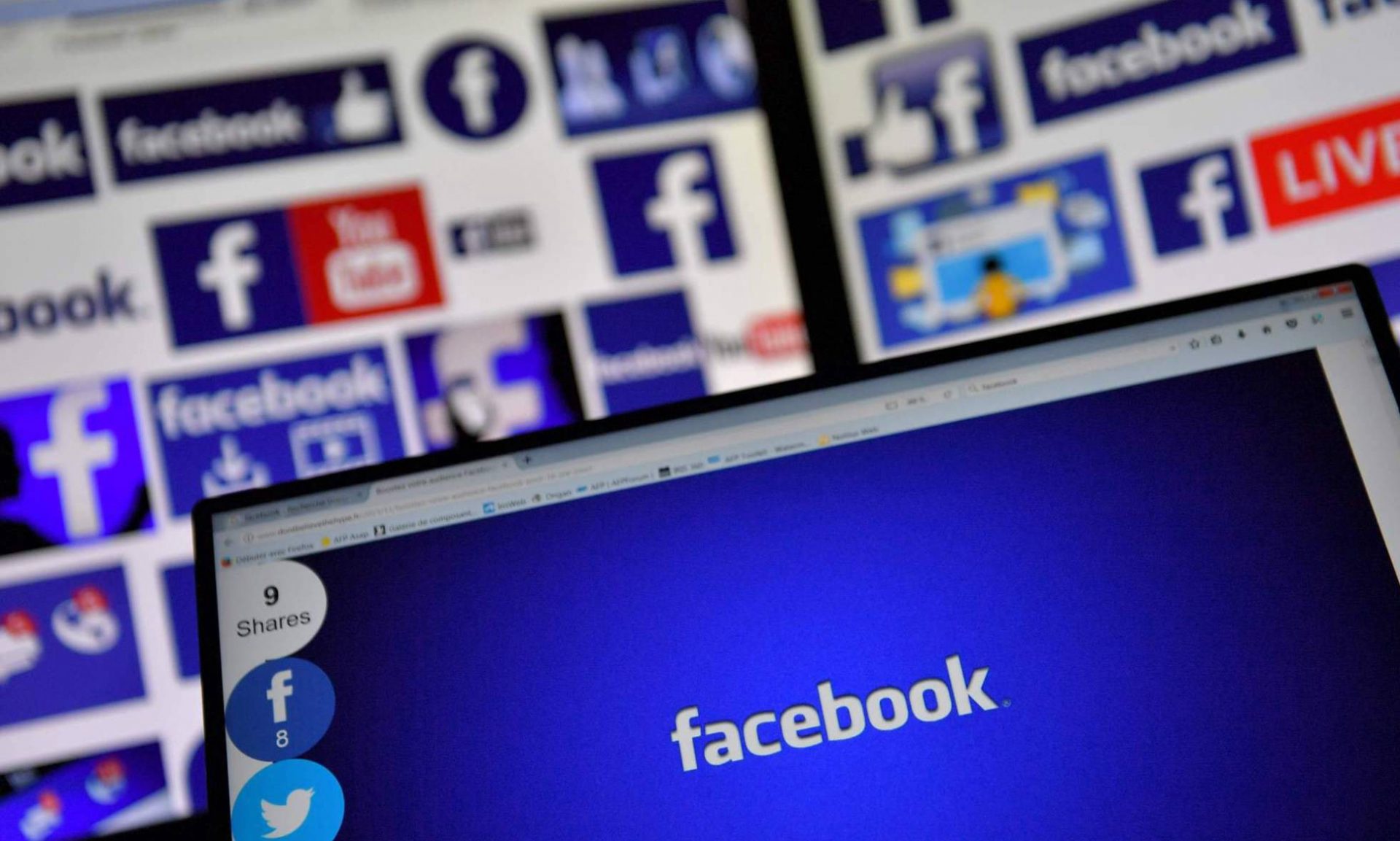
Ever since the Facebook scandal involving Cambridge Analytica, this subject has become mainstream.
If you do not know what I am talking about, take a look at this summary:
In short: the British firm Cambridge Analytica used personality tests and Facebook likes to collect data, lots of data. This information revealed the complete psychological profile of 50 million people on the social network, who then began to receive highly personalized electoral propaganda. This occurred during, for example, the 2016 US presidential campaign, which elected Donald Trump, and Brexit, last year’s referendum that led the United Kingdom to leave the European Union. Source: Tecnologia UOL
But what if I told you that the solution to an internet problem lies within the internet itself? But first:
What is fake news?
False news or fake news is a strategy for distributing disinformation or rumors via print journalism, television, radio, and especially online.
Fake news: what does it mean?
“Fake news stories are written and published with the intent to deceive in order to gain financially or politically, often with sensationalist, exaggerated, or overtly false headlines to grab attention” – according to Wikipedia.
The name of this solution is Linked Data!
But what is Linked Data?
The concept of linked data (data linked together) is a set of practices introduced by Tim Berners-Lee in his Web architecture notes “Linked Data“, with the function of publishing and structuring data on the Web.
How did I reach this conclusion?
In the course Content Writing in the Semantic Web by professor Teodora Petkova, I encountered the principles of data and the Rhetorical Triangle, where Petkova relates Ethos as Credibility, Logos as Trust, and Pathos as Relevance to what she calls the 4 Vs of Data, which are:
- Velocity
- Variety
- Veracity
- Volume
I recommend the course if you want to know everything about the subject, but what interests me now is the third V, the one for Veracity.
How does connecting data on the web move us away from fake news?
Quite simple: everything we put on the internet turns into data, it is data. But the problem is that only we humans have the ease of comprehension regarding the meaning of what is written. And even so, we have trouble identifying lies, sarcasm, and so on, but that is another topic.
What matters is: if we have reliable fact-checking sources, why aren’t they used by machines, for example, to know that a given news item is false?
This is due to the fact that this data is separated from one another, and these computers cannot understand the meaning of each part without us humans “translating” it into a language they understand.
And that is where Semantic Markup, linked data, RDFa, and all of this that is part of the work of Semantic optimization come in. If you want to understand more about this, read the work by Google: “How Google is using Linked Data Today and Vision For Tomorrow“.
Returning to the subject, to combat what is false we need speed in verifying data, variety of sources, veracity of the information we will use, and a volume of data (look there at the 4 Vs).
If we make a joint effort with everyone who creates for the Web (writers, programmers, researchers, etc.), we can finally build Tim’s dream when he wrote about Linked Data:
The Semantic Web isn’t just about putting data on the web. It is about making links, so that a person or a machine can explore the web of data. With linked data, when you have some of it, you can find other related data.
And with that, put an end to the proliferation of lies on the Web.
Bots, cyborgs, and the elections in Brazil
A long and detailed BBC report recently revealed that bots have been decisive in Brazilian politics since 2014. Automated systems are reportedly generating a cyborg democracy, with the goal of creating a smoke screen in debates across Twitter, Facebook, and WhatsApp.
On Braincast 266, Carlos Merigo, Alexandre Maron, André Pontes from NBW, and Marco Konopacki, project coordinator at the Institute for Technology and Society of Rio and creator of PegaBot, debate the capacity of computational political propaganda to alter our perception of reality, taking advantage of the herd effect to manipulate public opinion and inflate numbers.
For those of you who listened (yes, I know, you just skipped ahead), here are two of the news-checking agencies mentioned in the conversation:
http://piaui.folha.uol.com.br/lupa/
Update April 2018:
On April 24, 2018, in Lyon, France, The Web Conf took place, and one of the presentations resonates with what I discuss here:
Epistemology in the Cloud
on fake news and digital sovereignty
In this lecture, Henry Story presented the main points of his paper called Epistemology in the cloud (which can be downloaded in epub format), where he philosophically defines what knowledge is and its connections to logic.
You do not need any knowledge of logic to read this material.
In it we will find a very clear picture of how this logic works, with applications to the simplest everyday questions we face on a daily basis, before transforming them into issues for fake news.
Next, Henry uses this analysis to outline requirements for creating a kind of epistemological machine and shows its political dimension, ultimately suggesting a techno-social response to integrate knowledge institutions on the web, in order to reduce many of our problems with false news.