


Anyone who reads this blog knows that I am an SEO analyst. Among a few other things…
But this post will be different from all the ones I have written here on the Semântico SEO Blog. I have talked about a lot of subjects, but now I am going to talk about myself.
I have worked with SEO since 2008. Back then, optimizing a website was very complicated, and following optimization recommendations did not always bring the expected results.
{“align”:”center”} –>Website optimization: the 3 new technical guidelines
Search engines were very immature, functioning much more like a list of websites, without the semantic refinement we have today, and we were literally building for the future. And what made me spend all these years, learning more and more and managing to get through so many problems:
Being a nerd made me a better SEO analyst.
But first, what does it mean to be a nerd?

I am going to do things differently from other posts and define the term straight from my head, of what being a nerd is to me.
To me, a nerd is a person who loves to learn everything about a certain subject, and dives deep into it. There are comic book nerds, movie nerds, sci-fi nerds, and medical nerds.
I am a nerdy SEO analyst.
To me, being an optimization analyst is much more than making websites appear on the first page.
Website optimization is more than you think
Optimization is strategic thinking which, when aligned with your business strategy, makes all your business’s digital environments bring consumers to your company.
That is why today I work with various things related to SEO: Content Marketing, Inbound Marketing, and data analysis.
Learn how to rank on Google in 2019
SEO analyst and nerd: my way of working
What made me move from just looking at a website and choosing some standard techniques to today being a semantics researcher was my drive to learn EVERYTHING involved in working with the Web.
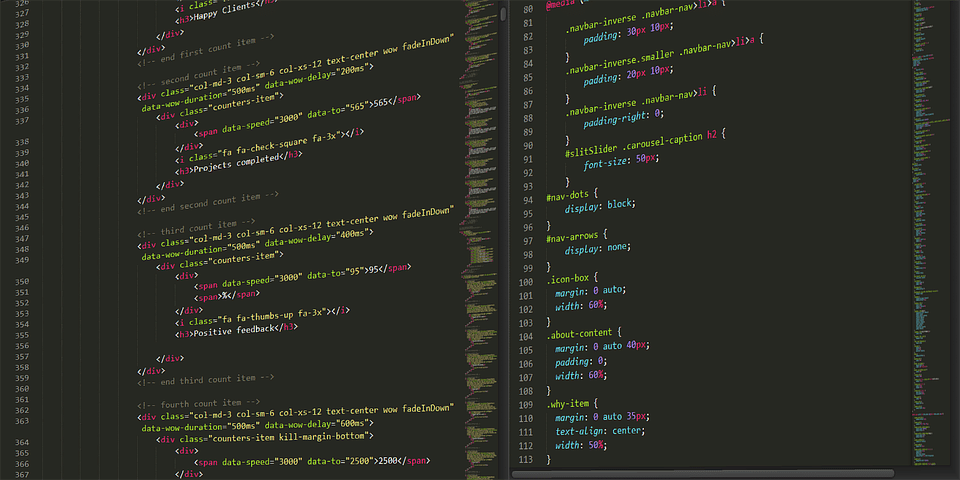
I have worked building websites (and still do today), designed layouts, coded HTML and CSS from scratch, know a bit of PHP and JavaScript, and combined my studies in Literature with systems analysis to understand semantics.
For a long time I thought I lacked focus, that I kept jumping between interests because I hadn’t found my path, but today I see that the journey I took brought me to this moment where I feel confident analyzing the SEO landscape, understanding where we are heading, and moving towards it while studying these new developments.
Semantic optimization: a case study
This happened when we began to understand that using search terms was no longer sufficient. It happened when semantics took on massive importance in our work, largely due to the novelties introduced by Google, and more recently, when voice searches pointed to a radical shift in the way we consume information.
Always a student, unafraid to change constantly
Voice search, semantic analysis, structured markup of code, using data to build websites. To understand just these 3 topics, we have to study Semantics, Ontologies, Taxonomy, Machine Learning, Artificial Intelligence, programming language, markup languages based on the web, Business Intelligence, Data Analysis, and so on.
I am not saying that anyone needs to be an expert in all of this. Honestly, it is barely possible to keep up with all of it, let alone be an expert. But we do need to know things, understand how they work, and what influence they have on your work.
And being a nerd helps me enjoy reading and listening about this all the time. It is not a chore; it is a pleasure to learn things I have never heard of.
The nerd SEO analyst of the future
I understand, with my years of professional experience, having studied so much, tested and learned so much, that the future is increasingly unpredictable and exciting for those who optimize websites.
Doing SEO is much more interesting today than it was 5 years ago. There are many challenges currently, some seemingly without a solution (such as position zero not bringing traffic to sites), but I am sure the entire SEO community will find a way to solve this, as it has always been done.
So, in my view, the SEO analyst of the future is the person who loves continuing to learn, more and more, specialties from fields different from their own. Ultimately, a nerd SEO analyst.
Why being a nerd made me a better SEO specialist
{“annotations”:{“urn:enhancement-3f8bedee-e495-41d6-a397-6e8e0e29d46b”:{“start”:5457,”end”:5637,”text”:”pattern”}},”description”:””,”id”:”http://data.wordlift.io/wl01797/entity/padroes”,”label”:”Patterns”,”mainType”:”thing”,”occurrences”:[“urn:enhancement-3f8bedee-e495-41d6-a397-6e8e0e29d46b”],”sameAs”:[“http://dbpedia.org/resource/Pattern”,”http://de.dbpedia.org/resource/Muster_(Struktur)”,”http://id.dbpedia.org/resource/Pola”,”http://en.dbpedia.org/resource/Pattern”,”http://nl.dbpedia.org/resource/Patroon_(vorm)”,”http://no.dbpedia.org/resource/Mønster”,”http://ru.dbpedia.org/resource/Паттерн”,”http://pt.dbpedia.org/resource/Padrão”,”http://uk.dbpedia.org/resource/Патерн”,”http://es.dbpedia.org/resource/Patrón_(estructura)”,”http://tr.dbpedia.org/resource/Örüntü”],”types”:[]} bpedia.org/resource/HTML”,”http://lv.dbpedia.org/resource/HTML”,”http://uk.dbpedia.org/resource/HTML”,”http://en.dbpedia.org/resource/HTML”,”http://es.dbpedia.org/resource/HTML”,”http://et.dbpedia.org/resource/HTML”,”http://nl.dbpedia.org/resource/HyperText_Markup_Language”,”http://no.dbpedia.org/resource/HTML”,”http://fi.dbpedia.org/resource/HTML”,”http://fr.dbpedia.org/resource/Hypertext_Markup_Language”,”http://pl.dbpedia.org/resource/HTML”],”types”:[]},{“annotations”:{“urn:enhancement-080d7ed5-e199-444f-973f-42fb72508b02”:{“start”:2815,”end”:2818,”text”:”ser”},”urn:enhancement-7c299a7e-94a4-400a-a8eb-994bbf3bc37b”:{“start”:2193,”end”:2196,”text”:”ser”},”urn:enhancement-afd22b9a-414e-4788-99f1-9c15bf228276″:{“start”:12094,”end”:12097,”text”:”ser”},”urn:enhancement-de9d2985-c705-45d4-8bdd-874026b1daa5″:{“start”:300,”end”:303,”text”:”ser”},”urn:enhancement-2e4f4e87-fb6d-4e1b-9e80-0cfb19d15206″:{“start”:5611,”end”:5614,”text”:”ser”},”urn:enhancement-67508ce1-49ce-4d6f-b407-0d06d159f8b3″:{“start”:12006,”end”:12009,”text”:”ser”},”urn:enhancement-5c91d574-01c8-4f85-be96-22feaa5b92b4″:{“start”:12414,”end”:12417,”text”:”ser”},”urn:enhancement-e603640f-8735-493e-b5f7-466ebef9b8e8″:{“start”:2082,”end”:2085,”text”:”ser”}},”id”:”http://data.wordlift.io/wl01797/entity/ser”,”label”:”ser”,”mainType”:”thing”,”occurrences”:[“urn:enhancement-de9d2985-c705-45d4-8bdd-874026b1daa5″,”urn:enhancement-e603640f-8735-493e-b5f7-466ebef9b8e8″,”urn:enhancement-7c299a7e-94a4-400a-a8eb-994bbf3bc37b”,”urn:enhancement-080d7ed5-e199-444f-973f-42fb72508b02″,”urn:enhancement-2e4f4e87-fb6d-4e1b-9e80-0cfb19d15206″,”urn:enhancement-67508ce1-49ce-4d6f-b407-0d06d159f8b3″,”urn:enhancement-afd22b9a-414e-4788-99f1-9c15bf228276″,”urn:enhancement-5c91d574-01c8-4f85-be96-22feaa5b92b4″],”sameAs”:[“http://bg.dbpedia.org/resource/Битие”,”http://cs.dbpedia.org/resource/Bytí”,”http://dbpedia.org/resource/Being”,”http://de.dbpedia.org/resource/Sein”,”http://en.dbpedia.org/resource/Being”,”http://es.dbpedia.org/resource/Ser”,”http://et.dbpedia.org/resource/Olemine”,”http://fi.dbpedia.org/resource/Oleminen”,”http://fr.dbpedia.org/resource/Être”,”http://hr.dbpedia.org/resource/Bitak”,”http://is.dbpedia.org/resource/Verund”,”http://it.dbpedia.org/resource/Essere”,”http://nl.dbpedia.org/resource/Zijn”,”http://pl.dbpedia.org/resource/Byt”,”http://pt.dbpedia.org/resource/Ser”,”http://ru.dbpedia.org/resource/Бытие”,”http://sk.dbpedia.org/resource/Bytie”,”http://sl.dbpedia.org/resource/Bivajoče”,”http://sr.dbpedia.org/resource/Биће”,”http://tr.dbpedia.org/resource/Varlık”,”http://uk.dbpedia.org/resource/Буття”],”types”:[“thing”]},{“annotations”:{“urn:enhancement-76e0208a-e502-497a-72b1-ccc717d01329”:{“start”:4742,”end”:5072,”text”:”\u003cspan id=\”urn:enhancement-21\ a.org/resource/Investigació”,”http://cs.dbpedia.org/resource/Výzkum”,”http://es.dbpedia.org/resource/Investigación”,”http://hr.dbpedia.org/resource/Istraživanje”,”http://is.dbpedia.org/resource/Rannsókn”,”http://lv.dbpedia.org/resource/Pētniecība”,”http://ru.dbpedia.org/resource/Исследование”,”http://sr.dbpedia.org/resource/Истраживање”,”http://tr.dbpedia.org/resource/Araştırma”,”http://uk.dbpedia.org/resource/Дослідження”],”types”:[]},{“annotations”:{“urn:enhancement-10”:{“start”:1740,”end”:1898,”text”:”semântico”}},”description”:””,”id”:”http://data.wordlift.io/wl01797/entity/semantico”,”label”:”Semântico”,”mainType”:”organization”,”occurrences”:[“urn:enhancement-10″],”sameAs”:[],”types”:[]},{“annotations”:{“urn:enhancement-7bee78fd-5814-4709-b773-f028cc3716ca”:{“start”:3335,”end”:3516,”text”:”negócio”},”urn:enhancement-932dbb37-4de8-4605-8448-211b76115f54″:{“start”:3557,”end”:3738,”text”:”negócio”},”urn:enhancement-39f5771e-21f8-4cf5-a49f-e9ec47763f03″:{“start”:11493,”end”:11675,”text”:”Negócios”}},”description”:””,”id”:”http://data.wordlift.io/wl01797/entity/negocio”,”label”:”Negócio”,”mainType”:”thing”,”occurrences”:[“urn:enhancement-7bee78fd-5814-4709-b773-f028cc3716ca”,”urn:enhancement-932dbb37-4de8-4605-8448-211b76115f54″,”urn:enhancement-39f5771e-21f8-4cf5-a49f-e9ec47763f03″],”sameAs”:[“http://rdf.freebase.com/ns/m.09s1f”,”http://dbpedia.org/resource/Business”,”http://pt.dbpedia.org/resource/Negócio”,”http://hr.dbpedia.org/resource/Poduzeće”,”http://hu.dbpedia.org/resource/Cég”,”http://id.dbpedia.org/resource/Bisnis”,”http://is.dbpedia.org/resource/Viðskipti”,”http://it.dbpedia.org/resource/Business”,”http://ro.dbpedia.org/resource/Afacere”,”http://be.dbpedia.org/resource/Бізнес”,”http://ru.dbpedia.org/resource/Предпринимательство”,”http://bg.dbpedia.org/resource/Бизнес”,”http://sk.dbpedia.org/resource/Podnikanie”,”http://sl.dbpedia.org/resource/Poslovanje”,”http://ca.dbpedia.org/resource/Negoci”,”http://sq.dbpedia.org/resource/Biznesi”,”http://sr.dbpedia.org/resource/Бизнис”,”http://sv.dbpedia.org/resource/Näringsliv”,”http://cs.dbpedia.org/resource/Podnikání”,”http://da.dbpedia.org/resource/Erhverv”,”http://de.dbpedia.org/resource/Unternehmen”,”http://lt.dbpedia.org/resource/Verslas”,”http://lv.dbpedia.org/resource/Uzņēmējdarbība”,”http://uk.dbpedia.org/resource/Бізнес”,”http://en.dbpedia.org/resource/Business”,”http://es.dbpedia.org/resource/Negocio”,”http://nl.dbpedia.org/resource/Bedrijf”,”http://no.dbpedia.org/resource/Næringsliv”,”http://fi.dbpedia.org/resource/Liiketoiminta”,”http://fr.dbpedia.org/resource/Entreprise”,”http://pl.dbpedia.org/resource/Biznes”],”types”:[]},{“annotations”:{“urn:enhancement-15”:{“start”:13563,”end”:13710,”text”:”tráfego”}},”description”:””,”id”:”http://data.wordlift.io/wl01797/entity/trafego”,”label”:”Tráfego”,”mainType”:”thing”,”occurrences”:[“urn:enhancement-15″],”sameAs”:[],”types”:[]},{“annotations”:{“urn:enhancement-ae145a95-dd41-4290-b0ab-ac4a7f25526a”:{“start”:2262,”end”:2448,”text”:”aprender”},”urn:enhancement-872f8f65-1046-4f52-96d9-10e403bf14f2″:{“start”:6017,”end”:6203,”text”:”aprender”}},”description”:””,”id”:”http://data.wordlift.io/wl01797/entity/aprendizagem”,”label”:”Aprendizagem”,”mainType”:”thing”,”occurrences”:[“urn:enhancement-ae145a95-dd41-4290-b0ab-ac4a7f25526a”,”urn:enhancement-872f8f65-1046-4f52-96d9-10e403bf14f2″],”sameAs”:[“http://rdf.freebase.com/ns/m.0191f8″,”http://dbpedia.org/resource/Learning”,”http://de.dbpedia.org/resource/Lernen”,”http://pt.dbpedia.org/resource/Aprendizagem”,”http://lt.dbpedia.org/resource/Mokymasis”,”http://hr.dbpedia.org/resource/Učenje”,”http://lv.dbpedia.org/resource/Mācīšanās”,”http://uk.dbpedia.org/resource/Навчання”,”http://id.dbpedia.org/resource/Belajar”,”http://en.dbpedia.org/resource/Learning”,”http://is.dbpedia.org/resource/Nám”,”http://it.dbpedia.org/resource/Apprendimento”,”http://es.dbpedia.org/resource/Aprendizaje”,”http://et.dbpedia.org/resource/Õppimine”,”http://ro.dbpedia.org/resource/Procesul_de_învățare_în_școală”,”http://nl.dbpedia.org/resource/Leren”,”http://no.dbpedia.org/resource/Læring”,”http://ru.dbpedia.org/resource/Обучение”,”http://fi.dbpedia.org/resource/Oppiminen”,”http://be.dbpedia.org/resource/Навучанне”,”http://bg.dbpedia.org/resource/Изучаване”,”http://fr.dbpedia.org/resource/Apprentissage”,”http://sk.dbpedia.org/resource/Učenie_(pedagogika)”,”http://sq.dbpedia.org/resource/Mësimi”,”http://ca.dbpedia.org/resource/Aprenentatge”,”http://sr.dbpedia.org/resource/Учење”,”http://sv.dbpedia.org/resource/Studieteknik”,”http://cs.dbpedia.org/resource/Učení”,”http://pl.dbpedia.org/resource/Uczenie_się”,”http://da.dbpedia.org/resource/Læring”,”http://tr.dbpedia.org/resource/Öğrenme”],”types”:[“other”]},{“annotations”:{“urn:enhancement-e94901f5-5924-05c7-fb31-d56037ed32a8”:{“start”:44,”end”:249,”text”:”SEO”},”urn:enhancement-2b20e9e6-cba8-adf5-aad7-1e3be6dab2b1″:{“start”:632,”end”:994,”text”:”\u003cspan id=\u0022urn:enhancement-37\u0022 class=\u0022textannotation disambiguated wl-thing\u0022 itemid=\u0022http://data.wordlift.io/wl01797/entity/otimizacao_para_motores_de_busca\u0022\u003eSEO”},”urn:enhancement-16b7fd88-e615-5fc7-a9b3-c94d0f5719c8″:{“start”:2609,”end”:2814,”text”:”SEO”},”urn:enhancement-9263534d-91cf-fcc3-c764-3f239930d33f”:{“start”:3848,”end”:4210,”text”:”\u003cspan id=\u0022urn:enhancement-39\u0022 class=\u0022textannotation disambiguated wl-thing\u0022 itemid=\u0022http://data.wordlift.io/wl01797/entity/otimizacao_para_motores_de_busca\u0022\u003eSEO”},”urn:enhancement-735c9d71-1d0c-9282-4d8d-1cec58f1dc50″:{“start”:7536,”end”:7741,”text”:”SEO”},”urn:enhancement-a3a2b3d9-0280-4e35-3346-943326ebf3e3″:{“start”:9105,”end”:9319,”text”:”informação”},”urn:enhancement-6f5d2b75-774a-2c13-c0ba-d3963585c9f2″:{“start”:13184,”end”:13389,”text”:”SEO”},”urn:enhancement-846f60ee-ed98-1d58-5b2c-72a3a7b76aa7″:{“start”:13770,”end”:14132,”text”:”\u003cspan id=\u0022urn:enhancement-42\u0022 class=\u0022textannotation disambiguated wl-thing\u0022 itemid=\u0022http://data.wo rdlift.io/wl01797/entity/otimizacao_para_motores_de_busca”5EO”},”urn:enhancement-2eaf66a8-7a0b-76c9-ce9a-720c24b89131″:{“start”:14240,”end”:14445,”text”:”SEO”},”urn:enhancement-cc3ea645-cea6-d39e-5359-0c45c2f4a4b4″:{“start”:14590,”end”:14952,”text”:”3span id=”urn:enhancement-44″ class=”textannotation disambiguated wl-thing” itemid=”http://data.wordlift.io/wl0221/entity/otimizacao-para-motores-de-busca”5EO”}},”description”:””,”id”:”http://data.wordlift.io/wl01797/post/knowledge_graph_-_um_mundo_de_conexoes”,”label”:”Knowledge Graph – um mundo de conexões”,”mainType”:”article”,”occurrences”:[“urn:enhancement-e94901f5-5924-05c7-fb31-d56037ed32a8″,”urn:enhancement-2b20e9e6-cba8-adf5-aad7-1e3be6dab2b1″,”urn:enhancement-16b7fd88-e615-5fc7-a9b3-c94d0f5719c8″,”urn:enhancement-9263534d-91cf-fcc3-c764-3f239930d33f”,”urn:enhancement-735c9d71-1d0c-9282-4d8d-1cec58f1dc50″,”urn:enhancement-a3a2b3d9-0280-4e35-3346-943326ebf3e3″,”urn:enhancement-6f5d2b75-774a-2c13-c0ba-d3963585c9f2″,”urn:enhancement-846f60ee-ed98-1d58-5b2c-72a3a7b76aa7″,”urn:enhancement-2eaf66a8-7a0b-76c9-ce9a-720c24b89131″,”urn:enhancement-cc3ea645-cea6-d39e-5359-0c45c2f4a4b4″],”sameAs”:[“http://data.wordlift.io/wl0221/entity/otimizacao_para_motores_de_busca”,”http://data.wordlift.io/wl0221/entity/informacao”],”types”:[]},{“annotations”:{“urn:enhancement-e4ffd8b9-e0d5-8bc1-5475-329645237263”:{“start”:8702,”end”:9031,”text”:”3span id=”urn:enhancement-14″ class=”textannotation disambiguated wl-thing” itemid=”http://data.wordlift.io/wl0221/entity/algoritmo-de-busca__trashed”3searches”},”urn:enhancement-ed136e5e-f998-7e78-d74f-c4e5bcaab10f”:{“start”:10810,”end”:11014,”text”:”Artificial Intelligence”}},”description”:””,”id”:”http://data.wordlift.io/wl01797/post/aeo_e_o_novo_seo”,”label”:”AEO is the new SEO”,”mainType”:”article”,”occurrences”:[“urn:enhancement-e4ffd8b9-e0d5-8bc1-5475-329645237263″,”urn:enhancement-ed136e5e-f998-7e78-d74f-c4e5bcaab10f”],”sameAs”:[“http://data.wordlift.io/wl0221/entity/tecnologia”,”http://data.wordlift.io/wl0221/entity/motor_de_busca”,”http://data.wordlift.io/wl0221/entity/inteligencia_artificial”],”types”:[]},{“annotations”:{“urn:enhancement-12e1b7eb”:{“start”:8512,”end”:8669,”text”:”Google”}},”description”:””,”id”:”http://data.wordlift.io/wl01797/entity/google”,”label”:”Google”,”mainType”:”organization”,”occurrences”:[“urn:enhancement-12e1b7eb”],”sameAs”:[“http://yago-knowledge.org/resource/Google”,”http://rdf.freebase.com/ns/m.045c7b”,”http://dbpedia.org/resource/Google”,”http://pt.dbpedia.org/resource/Google”,”http://hr.dbpedia.org/resource/Google_(tvrtka)”,”http://hu.dbpedia.org/resource/Google_Inc.”,”http://id.dbpedia.org/resource/Google”,”http://is.dbpedia.org/resource/Google”,”http://it.dbpedia.org/resource/Google_Inc.”,”http://ro.dbpedia.org/resource/Google”,”http://ru.dbpedia.org/resource/Google_(компания)”,”http://be.dbpedia.org/resource/Google”,”http://bg.dbpedia.org/resource/Гугъл”,”http://sk.dbpedia.org/resource/Google”,”http://sl.dbpedia.org/resource/Google”,”http://ca.dbpedia.org/resource/Google”,”http://sq.dbpedia.org/resource/Google”,”http://sr.dbpedia.org/resource/Гугл”,”http://sv.dbpedia.org/resource/Google”,”http://cs.dbpedia.org/resource/Google”,”http://da.dbpedia.org/resource/Google”,”http://tr.dbpedia.org/resource/Google”,”http://de.dbpedia.org/resource/Google_Inc.”,”http://lt.dbpedia.org/resource/Google”,”http://lv.dbpedia.org/resource/Google”,”http://uk.dbpedia.org/resource/Google”,”http://en.dbpedia.org/resource/Google”,”http://es.dbpedia.org/resource/Google”,”http://et.dbpedia.org/resource/Google”,”http://nl.dbpedia.org/resource/Google_Inc.”,”http://no.dbpedia.org/resource/Google”,”http://fi.dbpedia.org/resource/Google”,”http://fr.dbpedia.org/resource/Google”,”http://pl.dbpedia.org/resource/Google”],”types”:[“http://dbpedia.org/class/yago/Abstraction100002137″,”http://dbpedia.org/class/yago/CompaniesBasedInMountainView,California”,”http://dbpedia.org/class/yago/CompaniesEstablishedIn1998″,”http://dbpedia.org/class/yago/Company108058098″,”http://dbpedia.org/class/yago/Group100031264″,”http://dbpedia.org/class/yago/Institution108053576″,”http://dbpedia.org/class/yago/InternetCompaniesOfTheUnitedStates”,”http://dbpedia.org/class/yago/MultinationalCompaniesHeadquarteredInTheUnitedStates”,”http://dbpedia.org/class/yago/Organization108008335″,”http://dbpedia.org/class/yago/PubliclyTradedCompaniesOfTheUnitedStates”,”http://dbpedia.org/class/yago/SocialGroup107950920″,”http://dbpedia.org/class/yago/YagoLegalActor”,”http://dbpedia.org/class/yago/YagoLegalActorGeo”,”http://dbpedia.org/class/yago/YagoPermanentlyLocatedEntity”,”http://dbpedia.org/ontology/Agent”,”http://dbpedia.org/ontology/Company”,”http://dbpedia.org/ontology/Organisation”,”http://schema.org/Organization”,”http://www.w3.org/2002/07/owl#Thing”]},{“annotations”:{“urn:enhancement-11195a22-dec9-f652-fdd8-4fdfeeb26cb1”:{“start”:6247,”end”:6575,”text”:”3span id=”urn:enhancement-16″ class=”textannotation disambiguated wl-place” itemid=”http://data.wordlift.io/wl0221/entity/world-wide-web”3Web”},”urn:enhancement-7cf41e26-ffc9-33c2-ae10-f78fa35b0436″:{“start”:11285,”end”:11474,”text”:”web”}},”description”:””,”id”:”http://data.wordlift.io/wl01797/post/o_que_e_web_semantica_”,”label”:”What is the Semantic Web?”,”mainType”:”creative-work”,”occurrences”:[“urn:enhancement-11195a22-dec9-f652-fdd8-4fdfeeb26cb1″,”urn:enhancement-7cf41e26-ffc9-33c2-ae10-f78fa35b0436″],”sameAs”:[“http://www.wikidata.org/entity/Q15817015″,”http://dbpedia.org/resource/Semantic_Web_(journal)”,”http://data.wordlift.io/wl0221/entity/tim_berners-lee”,”http://data.wordlift.io/wl0221/entity/world_wide_web”,”http://data.wordlift.io/wl0221/entity/internet”],”types”:[]},{“annotations”:{“urn:enhancement-c71bfe49-7297-5414-974f-f9b99df511a2”:{“start”:10374,”end”:10581,”text”:”Ontologies”}},”description”:””,”id”:”http://data.wordlift.io/wl01797/entity/ontolo gia_ciencia_da_computacao”,”label”:”Ontologia (ciência da computação)”,”mainType”:”thing”,”occurrences”:[“urn:enhancement-c71bfe49-7297-5414-974f-f9b99df511a2″],”sameAs”:[“http://rdf.freebase.com/ns/m.0d66m”,”http://dbpedia.org/resource/Ontology_(information_science)”,”http://data.wordlift.io/wl0221/entity/ontologia_ciencia_da_computacao”],”types”:[]}]}{“annotations”:{“urn:enhancement-a62a8382-ff18-cefd-a84a-676d849e21ac”:{“start”:11044,”end”:11273,”text”:”markup languages”}},”description”:””,”id”:”http://data.wordlift.io/wl01797/post/estudo_de_caso_e_o_poder_do_seo_semantico”,”label”:”Case study and the power of semantic SEO”,”mainType”:”article”,”occurrences”:[“urn:enhancement-a62a8382-ff18-cefd-a84a-676d849e21ac”],”sameAs”:[],”types”:[]}]} /–>