
Esse artigo pode ser lido em:


What is a Semantic field?
The semantic field is a body of knowledge related to the study of language and is defined by it as the set of varied meanings that a single word can assume.
The semantic field works with the meanings that a single word presents when inserted into diverse contexts. This is an important relationship: between words and their context. It is the context that creates the set of diverse meanings that a single word can present, drawing closer to Semantics.
The semantic field for digital projects
Every digital project, such as a website, deals with one problem: information.
Before defining the design and other graphic or visual elements, it is necessary to deal with issues related to information; furthermore, the intention of the project precedes the information: what it needs to say / sell / communicate.
To execute this task with efficiency and effectiveness, it is necessary to create content that is precise regarding the meaning given to the information. To achieve this, one thing must be defined: the semantic domain in which your project is inserted.
The Semantic Domain in SEO: The definition of the semantic domain in a search engine optimization project is fundamental during the stage of creating your site’s taxonomy. Contemporary search engines use algorithms that seek to understand what your company offers to your audience. Defining a domain for your site includes it in the group of businesses that deal with that subject, which facilitates the understanding of your content and eases the categorization and naming of pages, categories, products, and services.
SEO Dictionary: domain
What is the importance of the semantic field for SEO?
The definition of a semantic field for the SEO project is important for several things, such as:
- Achieving results in voice searches;
- Semantic Optimization for searches;
- Structuring data for your site;
- and many other new implementations…
In SEO work since the late 90s, we have sought to work with the meaning of what is being written. Even in the era of keywords, it was important for the visitor to remain on our site and to have coherence.
Curiosity: The first time the term SEO was used was in the book Net Results in 1997.
First, let’s define what a Semantic field is.
It can be defined as a set of words united by meaning.
The semantic field is, therefore, the entire area of signification of a word or a group of words.
For example, the semantic field of mother may include:
- mother-of-a-family,
- mãe-de-santo,
- single mother,
- mother-land,
- mãe-de-água,…
If we want to describe the semantic field of the word glove, for example, we will include in it all semantic possibilities such as: glove shop, glover, to fit like a glove, to throw down the gauntlet, with a white glove, to lay a hand on, as soft as a glove.
A semantic field for your site
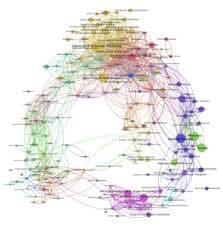
More complex projects, with a larger volume of content or broader themes, require a higher level of definition and documentation. Conducting research and creating content such as taxonomies or ontologies becomes an imperative.
And it is within this project that I define the semantic field and the domain that I will use for the project.
Accounting for the linguistic relationships between the terms considered is the first step toward creating a project that maintains quality over time. In larger projects, this part of the work can be shared between UX Writers or UX Designers and the content team.
The important thing is that it be done based on research and data, and that it be performed with the correct technique, which combines semantic and taxonomic studies with digital writing techniques.